
The "Roti & Buffalo Milk" Trap: Common Pakistani Feeding Mistakes and Safe Home-Cooked Diets
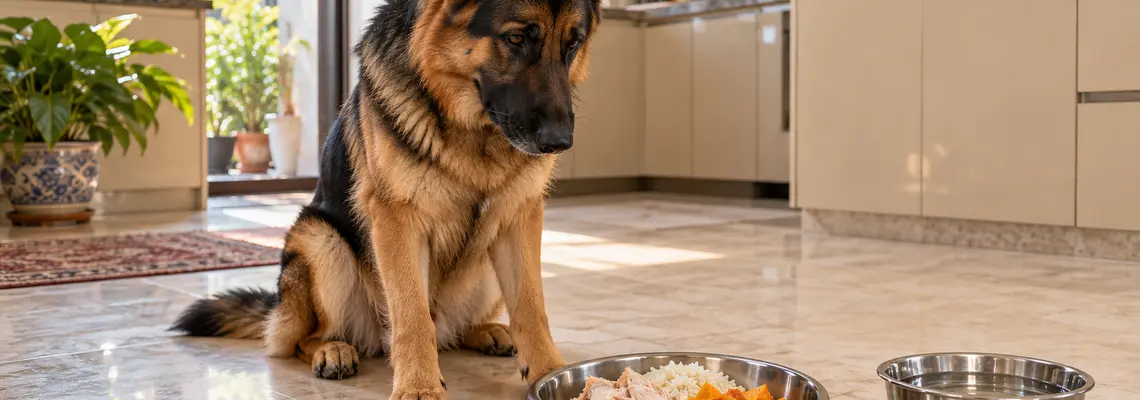
Often during my veterinary home visits in Lahore, an owner asks me the same question: "Doctor, can I just give my dog roti soaked in milk?"
I completely understand where this question comes from. In our culture, sharing fresh flatbread and warm milk represents hospitality and care. In recent months, soaring prices and steep import taxes have made commercial pet food shockingly expensive. A bag of imported kibble that used to cost three thousand rupees now costs three to four times as much. Many families are looking for ways to feed their pets directly from their own kitchens.
The trouble is that food suited for humans can quietly sicken a dog or cat. Feeding your pet whole buffalo milk, wheat roti, and leftover chicken bones leads to chronic stomach trouble and hidden nutritional gaps. Adult pets cannot properly digest the sugar and heavy cream in buffalo milk. Plain roti fills their stomachs without giving them the vitamins they need to stay healthy, and brittle cooked bones can tear their insides. You can cook fresh, affordable meals at home for your pet, as long as you follow a few basic rules to keep their food balanced.
Why Buffalo Milk (Bhains Ka Doodh) Upsets Your Pet's Tummy
Many people believe that a bowl of fresh milk is the most natural treat for a dog or cat. In Pakistan, most of our milk comes from the water buffalo (Bubalus bubalis). While buffalo milk is delicious for humans, it presents two big problems for companion animals: lactose and butterfat.
When puppies and kittens nurse from their mother, their bodies produce an enzyme called lactase to break down milk sugar (lactose). As they grow and start eating solid food, their bodies stop producing this enzyme. By adulthood, most dogs and cats cannot digest milk sugar.
When an adult pet drinks milk, the undigested lactose travels through the stomach and enters the large intestine. The sugar pulls water into the bowel, where gut bacteria begin to ferment it. This causes stomach cramps and watery diarrhea.
| Milk Type | Average Fat Content | Lactose (Milk Sugar) |
|---|---|---|
| Cow Milk | 3.5% – 4.0% | 4.6% – 4.8% |
| Pakistani Buffalo Milk | 7.5% – 8.5% | 4.9% – 5.1% |
Buffalo milk makes this problem worse because of its heavy fat content. Fresh buffalo milk contains nearly double the cream of ordinary cow's milk.
When a dog or cat gulps down a bowl of rich buffalo milk, that sudden surge of heavy fat can overwhelm their digestive system. Beyond ordinary diarrhea, it can spark pancreatitis, which is a painful and dangerous inflammation of the pancreas. Dogs with pancreatitis often vomit repeatedly, tuck their stomachs in pain, and require urgent medical care with IV fluids to recover.
The Danger of Cooked Bones (Haddi) and Curries (Salan)
Another common habit in our homes is giving pets leftover chicken bones from dinner. Many owners assume that chewing bones is good for a pet's teeth.
Raw bones carry bacteria like Salmonella, but cooked bones pose an immediate physical threat. When poultry bones are cooked, the heat dries them out and makes them brittle. When your dog or cat bites down, the bone shatters into sharp splinters.
As a veterinarian and surgeon, I have seen firsthand what happens when these sharp pieces are swallowed. Bone splinters can lodge in the esophagus or pierce through the stomach and intestinal walls. A punctured intestine allows gut bacteria to leak into the abdomen, causing a severe infection called peritonitis. Saving an animal in this situation requires an emergency surgical operation to remove the bone fragments and repair the tear.
Leftover family curries (salan) bring their own hidden dangers. Pakistani cooking relies heavily on a base of onions (piyaz) and garlic (lehsan).
Both onions and garlic belong to the Allium plant family. Veterinary toxicology research by Salgado et al. (2011) and Cope (2005) shows that onions and garlic contain natural sulfur compounds that damage red blood cells in dogs and cats.
These compounds cause the red blood cells to break apart inside the body, producing severe anemia. A pet suffering from onion or garlic poisoning becomes weak, breathes rapidly, and passes dark, tea-colored urine. Cats are especially sensitive to this toxicity. Cooking, boiling, or frying does not destroy these harmful compounds. Pouring curry gravy over bread or rice exposes your pet to active toxins, alongside excess cooking oil and salt that strain their kidneys.
The Raw Meat Trap: Why Raw Chicken Is Risky in Pakistan
When pet parents learn that cooked bones are dangerous, they often ask me a logical follow-up question: "Should I just give my dog or cat raw chicken? Isn't raw meat what wild animals eat naturally?"
It is tempting to think of raw feeding as a return to nature. However, feeding raw meat creates serious health threats for both your pet and your family, especially in Pakistan.
In Lahore, our local weather and market conditions make raw meat particularly unsafe. Meat sold in open-air butcher shops is exposed to warm ambient temperatures. Frequent electrical power outages interrupt refrigeration, allowing dangerous bacteria like Salmonella, Campylobacter, and E. coli to multiply rapidly on raw meat surfaces.
A major scientific review led by Dr. Lisa Freeman and published in the Journal of the American Veterinary Medical Association (Freeman et al., 2013) evaluated the health risks of raw meat diets. The researchers documented that raw pet food frequently tests positive for dangerous foodborne pathogens. These bacteria cause acute intestinal infections in dogs and cats, leading to high fever and bloody diarrhea.
The risk extends directly to human households as well. Pets that eat raw meat shed live bacteria in their saliva and feces for several weeks, even if the animal shows no obvious symptoms. When a dog licks an owner's face or a cat walks across household rugs, those bacteria spread to family members. Young children and elderly grandparents are at especially high risk of catching dangerous food poisoning from a pet on a raw diet.
Cooking meat eliminates this danger entirely. Boiling fresh boneless chicken in plain water kills harmful bacteria while keeping the protein gentle and easy for your pet to digest.
Why Plain Roti Falls Short for Dogs and Cats
Tearing up a warm roti and dropping it into your pet's bowl is quick and convenient. Whole wheat flour (atta) gives energy to people, but a pet's digestive tract is built differently.
Dogs can digest small amounts of cooked grain, but their bodies thrive on animal protein. Cats are strict carnivores. Their bodies are designed to process meat, and they have no biological need for grain carbohydrates.
Feeding pets plain roti creates several nutritional issues:
- Empty Belly Syndrome: Roti fills up your pet's stomach with carbohydrates. The animal feels full, so it stops seeking the animal protein and healthy fats it needs for muscle strength.
- Blocked Minerals: Whole wheat flour contains natural substances called phytates. In dogs and cats, phytates can bind to essential minerals like zinc, iron, and calcium, carrying them out in the stool before the body can absorb them.
- Severe Deficiencies in Cats: Cats cannot make their own vitamin A or essential fatty acids from plants. A cat fed roti and milk will slowly lose muscle mass, develop a dull coat, and suffer from poor immunity.
What Research Tells Us About Home-Cooked Pet Diets
Cooking fresh meals for your dog or cat can be a wonderful, healthy choice. It gives you complete control over ingredients, and pets love the taste of fresh meat.
However, home cooking requires careful balance. In a widely cited study published in the Journal of the American Veterinary Medical Association, Stockman et al. (2013) analyzed two hundred homemade dog food recipes from books and pet websites.
The researchers found that 95 percent of the recipes lacked at least one essential nutrient, and over 83 percent had multiple nutritional deficiencies. The most common missing elements were calcium, zinc, copper, and vitamin D.
The biggest mistake in home cooking is feeding plain, boneless meat without added calcium. Chicken breast or beef contains plenty of phosphorus, but almost zero calcium. When an animal eats boneless meat for weeks, the body pulls calcium directly out of its own bones to balance the bloodstream. In young puppies and kittens, this causes soft bones and painful fractures from simple playing.
For cats, taurine is an absolute life-or-death requirement. Cats cannot produce their own taurine. Groundbreaking studies by Hayes et al. (1975) and Pion et al. (1987) demonstrated that taurine deficiency leads to permanent blindness and dilated cardiomyopathy, a fatal heart condition. Cooking destroys much of the natural taurine in meat, so cats eating home-cooked food must receive a daily supplement.
How to Cook a Safe, Nutritious Meal with Local Ingredients
You can prepare healthy meals for your pet using simple, fresh foods found at any Lahore vegetable market (sabzi mandi) and butcher shop. The key is following clean preparation guidelines.
1. Clean, Lean Protein
- Boiled Boneless Chicken: Ask your butcher for fresh boneless chicken breast or thigh or remove the bones yourself. Boil it in plain water without oil, salt, chili, turmeric, or garlic. Shred the meat into bite-sized pieces.
- Hard-Boiled Eggs: Eggs are a powerhouse of easy-to-digest protein and healthy fats. One hard-boiled egg two or three times a week provides wonderful nourishment for a medium dog, while smaller portions suit cats.
- Chicken Liver (Kaleji) in Small Amounts: Liver is rich in iron and vitamin A. Feed only a small teaspoon once or twice a week. Too much liver can cause vitamin A poisoning, which leads to painful bone spurs along the spine.
2. Gentle Carbohydrates and Fiber
- Soft White Rice: Plain boiled white or basmati rice is gentle on sensitive stomachs. Cook it slightly softer than usual so your pet's digestive tract can absorb it easily.
- Steamed Pumpkin (Halwa Kaddu): Yellow pumpkin is one of the best digestive aids for pets. Its gentle fiber soothes the intestines and helps firm up loose stools. Steam or boil it until soft, then mash it into the food.
- Boiled Sweet Potato (Shakarkandi): Sweet potato offers gentle energy and fiber. Boil until soft, peel off the skin, and mash well.
3. Feline Meal Rules
Cats need a diet made almost entirely of meat. A cat's bowl should be 80 to 90 percent plain boiled chicken, meat, and egg. You can add just a single teaspoon of mashed pumpkin to help hairballs pass smoothly.
4. Two Essential Supplements
A bowl of boiled chicken and rice is comforting, but it remains incomplete without two additions:
- Calcium: Every pound of boneless meat needs added calcium. You can use veterinary calcium carbonate powder or clean, finely crushed eggshells baked in the oven. Aim for roughly 800 to 1,000 milligrams of calcium per pound of boneless meat.
- Taurine for Cats: Cats eating cooked home food need 250 to 500 milligrams of pet taurine powder stirred into their food daily. Heat weakens taurine, so always mix the powder into the bowl after the food has cooled down.
The 70/30 Strategy: Stretching Pet Food During Inflation
If high imported pet food prices are straining your budget, you do not need to switch completely overnight. A practical approach is the hybrid method.
Keep a quality, certified dry kibble as seventy percent of your pet's daily food. Commercial kibble acts as a nutritional safety net, providing guaranteed levels of essential vitamins, zinc, and minerals.
Use wholesome home-cooked food for the remaining thirty percent of their bowl: shredded boiled chicken, a piece of boiled egg, and a spoonful of mashed pumpkin. This simple habit stretches a single bag of food for weeks, cuts your monthly expenses, and keeps your pet well-nourished.
The 7-Day Transition Plan
Always introduce new foods slowly to avoid upsetting your pet's stomach:
- Days 1 and 2: 75% old food, 25% new food
- Days 3 and 4: 50% old food, 50% new food
- Days 5 and 6: 25% old food, 75% new food
- Day 7 Onward: 100% new balanced meal
Caring for Your Pet Every Day
Caring for a pet in Lahore means adapting to our city's realities while keeping our companions healthy. Replace buffalo milk with a bowl of clean, fresh drinking water. Keep cooked bones and spiced curries out of reach.
Run your hands along your pet's sides every week. You should easily feel their ribs under a thin layer of muscle without pressing hard, and you should see a clear waistline when looking down from above. Check their stool: healthy droppings are firm and easy to clean up.
If your pet is currently experiencing repeated vomiting or watery diarrhea, they need prompt veterinary attention. Digestive upsets cause rapid dehydration, particularly during hot Lahore afternoons or in growing young animals.
Schedule an in-home veterinary consultation with Dr. Saeeda for gentle clinical care in your living room. Dr. Saeeda provides medical home visits for pets suffering from active symptoms, as well as personalized nutritional plans to keep your pet healthy long term.
Need medical care or a balanced diet plan? If your pet is suffering from vomiting or diarrhea, or you want a personalized home-cooked feeding plan, schedule an in-home veterinary consultation with Dr. Saeeda for gentle clinical care in your own living room.
Sources
- Stockman, J., Fascetti, A. J., Kass, P. H., & Larsen, J. A. (2013) – Evaluation of recipes of home-prepared maintenance diets for dogs. Journal of the American Veterinary Medical Association, 242(11), 1500–1505.
- Freeman, L. M., Chandler, M. L., Hamper, B. A., & Weeth, L. P. (2013) – Current knowledge about the risks and benefits of raw meat-based diets for dogs and cats. Journal of the American Veterinary Medical Association, 243(11), 1549–1558.
- Salgado, B. S., Monteiro, L. N., & Rocha, N. S. (2011) – Allium species poisoning in dogs and cats. Journal of Venomous Animals and Toxins including Tropical Diseases, 17(1), 4–11.
- Cope, R. B. (2005) – Allium species poisoning in dogs and cats. Veterinary Medicine, 100(8), 562–566.
- Hayes, K. C., Carey, R. E., & Schmidt, S. Y. (1975) – Retinal degeneration associated with taurine deficiency in the cat. Science, 188(4191), 949–951.
- Pion, P. D., Kittleson, M. D., Rogers, Q. R., & Morris, J. G. (1987) – Myocardial failure in cats associated with low plasma taurine: a reversible cardiomyopathy. Science, 237(4816), 764–768.
- World Small Animal Veterinary Association (WSAVA) Global Nutrition Committee (2021) – WSAVA Global Nutrition Guidelines and Nutritional Assessment Toolkit.
تبصرہ (0)
No Comments